


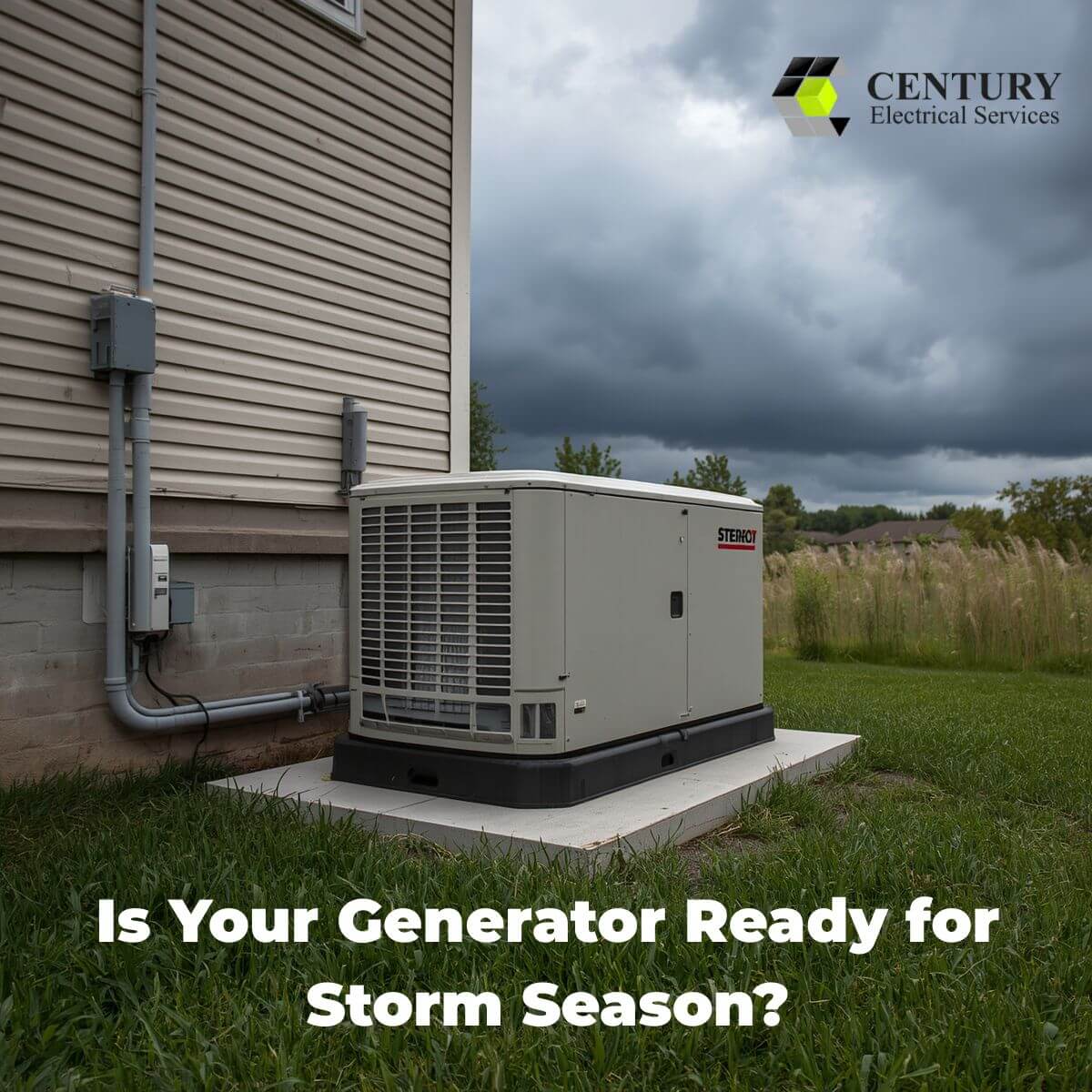
Quick answer: The best time to test and service your home generator is before a storm knocks the power out, not during it. A simple pre-storm check (fuel, battery, oil, and a test run under load) takes less than 30 minutes and is the difference between your generator kicking on automatically and finding out it won’t start when you actually need it.
Why August Is the Month to Check Your Generator
Hurricane season along the Lake Norman area typically ramps up from August through October, and storms here don’t need to be a direct hit to knock out power for hours, sometimes days. A generator that’s been sitting untouched since last winter is the number one reason homeowners get caught off guard: batteries die from disuse, fuel degrades, and small issues that would’ve been a quick fix in calm weather turn into a no-power household during an actual outage.
Checking your generator now, before the first real storm watch of the season, means you’re troubleshooting on your schedule — not during a blackout with your fridge running warm and your phone at 12%.
What to Check on Your Generator Before Storm Season
- Battery. Standby generators rely on a battery to start automatically. If it’s more than 2-3 years old or hasn’t been tested recently, it’s one of the most common reasons a generator fails to start when the power actually goes out.
- Fuel. Gasoline-powered units left with old fuel in the tank can gum up the carburetor. Propane and natural gas units don’t have this issue, but the fuel line and connections should still be checked for leaks or corrosion.
- Oil level and condition. Just like a car, generators need clean oil to run properly, especially under the sustained load of powering a home for hours or days at a time.
- Air filter. A clogged filter makes the engine work harder and can shorten its lifespan right when you need it most.
- Automatic transfer switch. This is what tells the generator to kick on when utility power drops. If it’s not functioning correctly, the generator may have full fuel and a good battery and still never turn on.
- Load test. Starting the generator and letting it idle for a minute isn’t the same as confirming it can actually carry your home’s electrical load. A real test run under load catches problems idle testing misses.
Do I Need a Whole-Home Generator, or Is a Portable Enough?
This depends on what you actually need powered during an outage:
A portable generator may be enough if:
- You mainly want to keep a refrigerator, some lights, and a few outlets running
- You’re comfortable manually starting it and running extension cords when the power goes out
- Budget is the primary concern
A whole-home standby generator is worth it if:
- You want the power to come back on automatically, even if you’re not home
- You rely on medical equipment, a sump pump, or well water pump that can’t go without power
- You’ve dealt with multi-day outages in the past and want your whole house, not just a few rooms, to keep running
Signs Your Generator Needs Professional Service, Not Just a Check
Some issues are safe for a homeowner to check (battery age, fuel level, obvious corrosion). Others are worth having a licensed electrician look at before a storm arrives:
- The generator hasn’t been serviced in over a year
- It’s making unusual noises, smoke, or a strong fuel smell on startup
- The automatic transfer switch fails to engage during a test
- You’re not confident it will actually carry your home’s electrical load
Bottom Line
A generator is only as reliable as its last check-up. The homeowners who lose power for a few hours and barely notice are almost always the ones who tested their generator before the storm — not the ones scrambling to figure out why it won’t start once the lights are already out.
Want peace of mind before the next storm rolls through Lake Norman? Century Electrical Services offers generator maintenance checks and installations for Mooresville-area homeowners, so you’re ready before the power ever goes out.